About
How It Began
In the 1990s, Arnold Vandenbroeck and Norma Javellana purchased five L-shaped hectares at the foot of Mount Tipolog in Davao City. They weren't thinking about tourism or farm products. They were thinking about water. The land sits at 600 meters above sea level, watershed territory. Their intent was protection as much as cultivation.
They named the project SIGE: Sustaining Intergenerational Equity. Not a brand name. A statement of purpose. This land was not for them. It was for the generation that would come after, the one that would inherit either a healed piece of hillside or a depleted one, depending on what choices were made now.
This land was never just land.
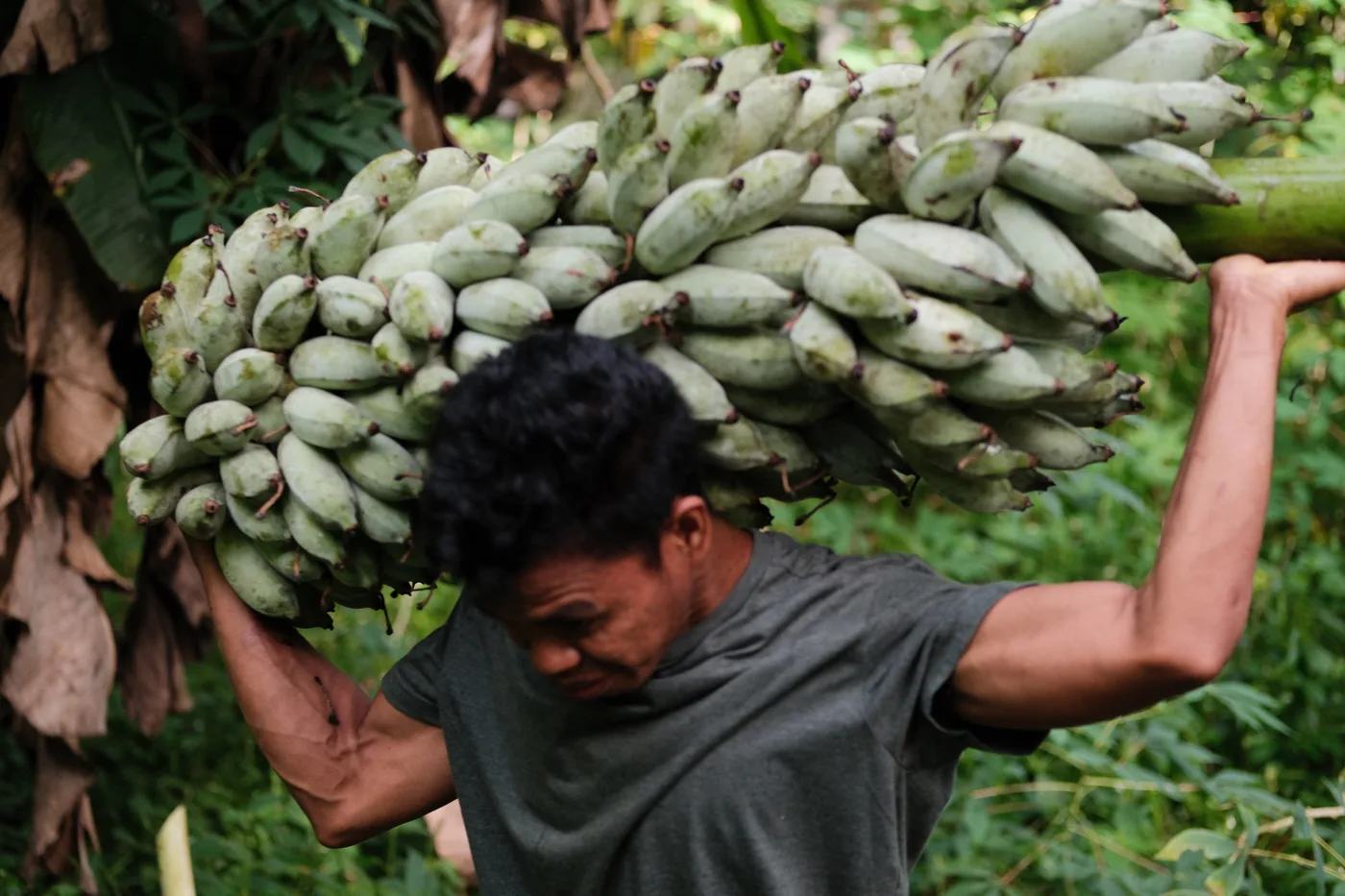
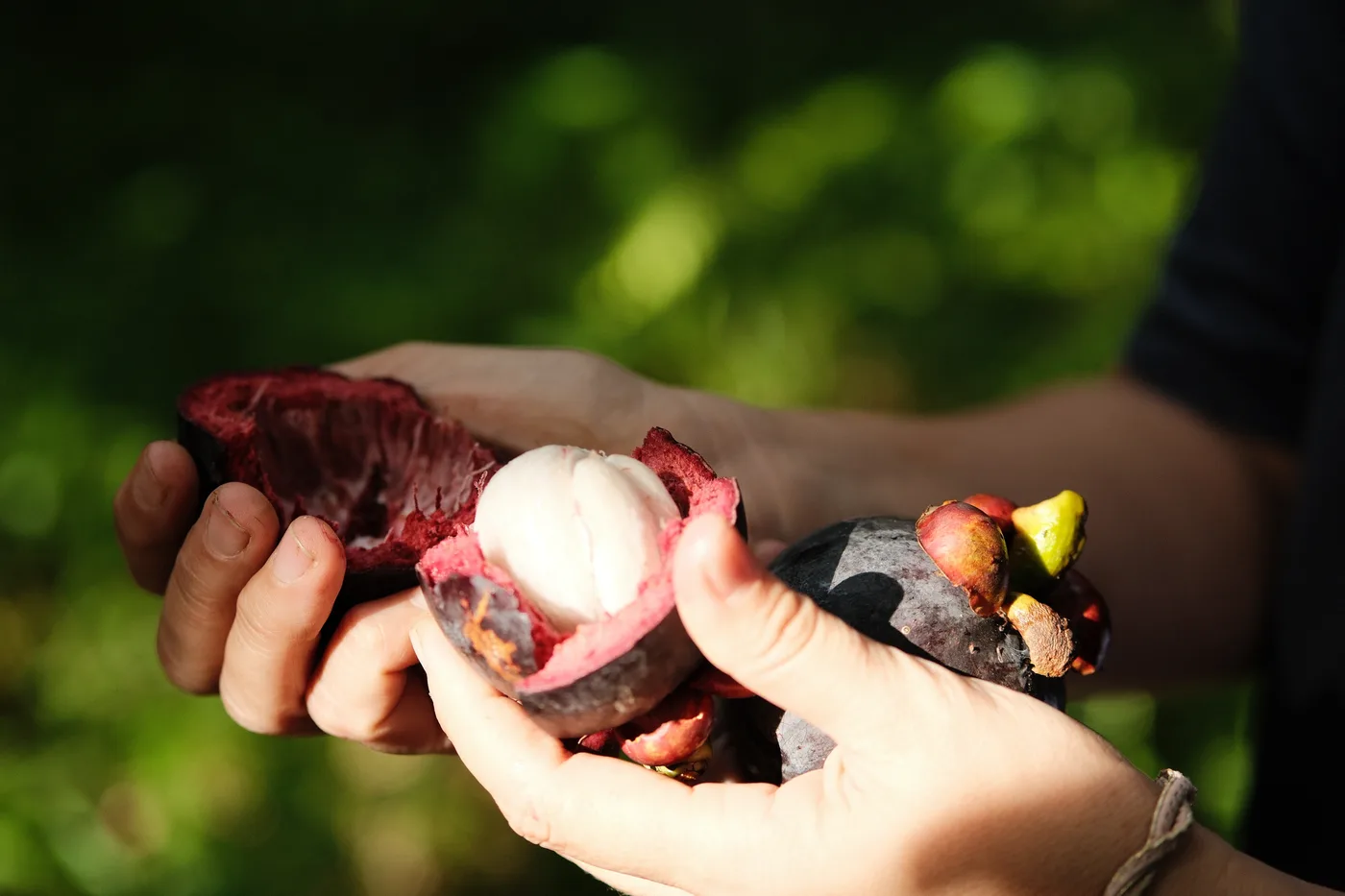
What grew over three decades was not a product but a system. 200 coconut palms in measured rows. 168 mangosteen trees. Seven banana varieties. A documented bird population of 50 species and counting. The hillside began to remember what it was before it was cleared.
Maya Flaminda Vandenbroeck, daughter of Arnold and Norma, returned to the farm not because it was expected but because something on that hillside called to her. She now stewards the land alongside farm supervisor Martin Dulang, building what her father envisioned and adding what the farm itself has been asking for: community, volunteers, education, and the slow work of becoming a living school.
The hillside holds 200 coconut palms in measured rows, their fronds moving at 600 meters in ways that don't happen at sea level. Fifty bird species have been documented here. The list grows every season. What started as a watershed protection effort has become one of Mindanao's quiet living experiments in what a farm can be when it is cared for over decades rather than extracted from in a single generation.
How We Work
Foster
Every decision on the farm, what to plant, who to invite, how to build, is measured against what it gives back. To the soil. To the people working it. To the watershed it sits above. Nothing is extracted without something being returned.
Learn
The farm is a classroom with no walls and no textbooks. Every task, seed saving, soil turning, food processing, is taught through the hands. Volunteers leave with skills they can use the next day, not certificates they can frame.
Open
No farming experience required. No particular background expected. The farm asks for presence, honesty, and a willingness to be useful. The work will meet you where you are.
Work Smart
Regenerative agriculture is not harder than conventional farming. It is more attentive. The goal is a farm that produces abundantly because its systems support each other, not because it is pushed past its limits each season.
The People
Farm Steward
Daughter of the founders, Maya returned to the hillside to build what her father envisioned. She runs the volunteer program, leads farm tours, and is the day-to-day voice of the farm.
Farm Supervisor
An Ata farmer from Paquibato, Martin manages the physical operations: planting schedules, soil management, and the 200-coconut harvest rotation. He has worked this land for years and knows its rhythms better than anyone.
Founders
Arnold Vandenbroeck and Norma Javellana took root here in the 1990s, planting native trees on a massive scale to protect the watershed. They hold the long memory of the land and its original intent: a watershed, a legacy, a gift to the generation that comes after.
Where We're Going
The farm is still becoming. Current capacity is intimate by necessity. The infrastructure is being built in layers, the way a forest builds itself. But the vision is clear: a year-round working farm that hosts hundreds of people each year, teaches regenerative agriculture to anyone who wants to learn it, and proves that a five-hectare hillside can be both economically alive and ecologically whole.
A canopy walkway through the food forest. An expanded seed-saving library. A permanent food processing facility. A residency program for researchers, artists, and practitioners. These are not distant plans. They are the next chapters of a story that has been thirty years in the writing.
Join the Journey →The farm is open by appointment for day tours, volunteer stays, and group retreats.